CHRISTIAN ECKERT
CHRISTIAN ECKERT
Intelligence is rewriting every category.
I help companies lead that shift — turning AI and intelligent systems into brand value, competitive advantage, and experiences people trust.
That's been my territory for 25 years. Across mobility, technology, and the organizations redefining what experience means in the age of intelligent systems.

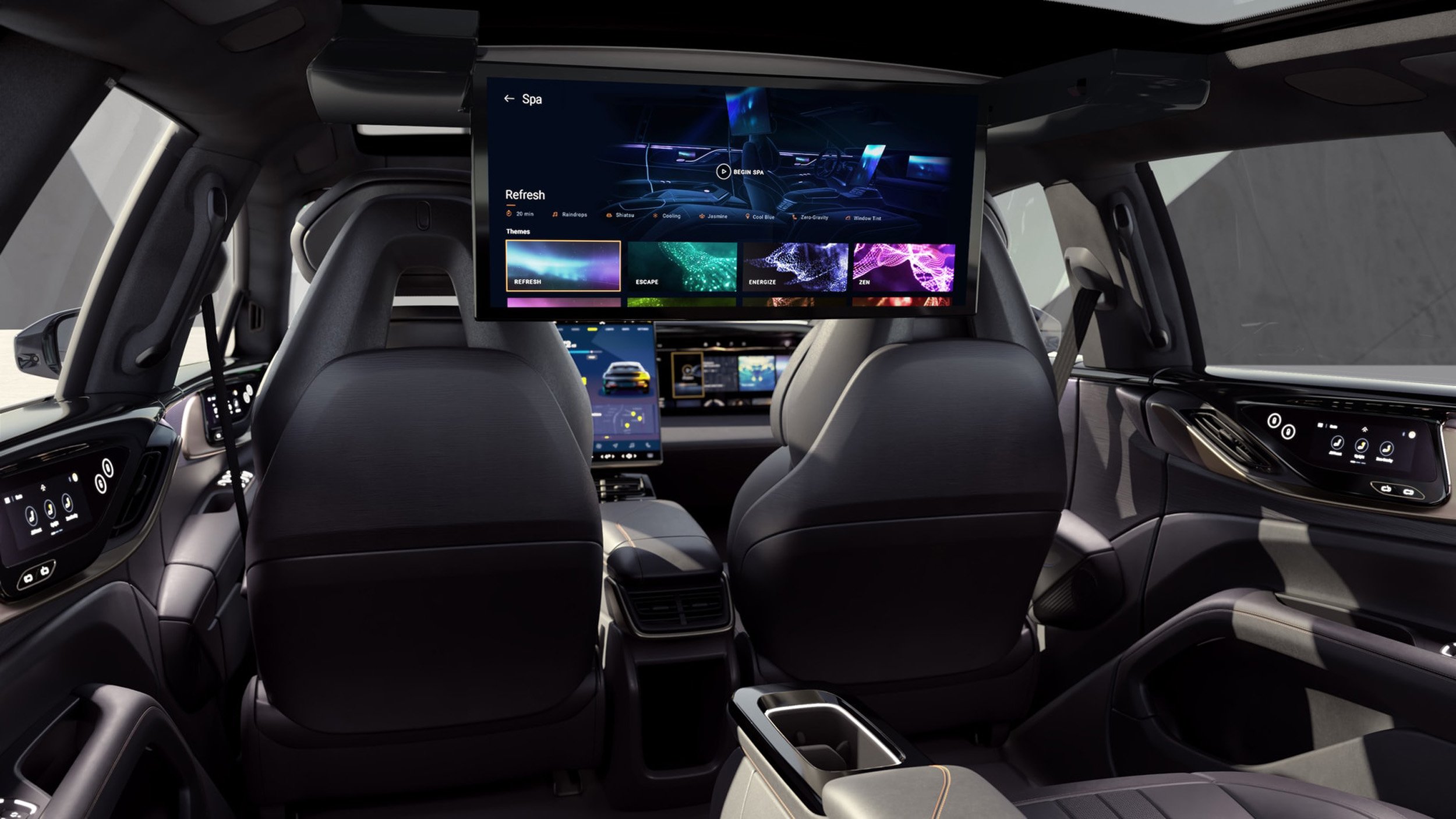

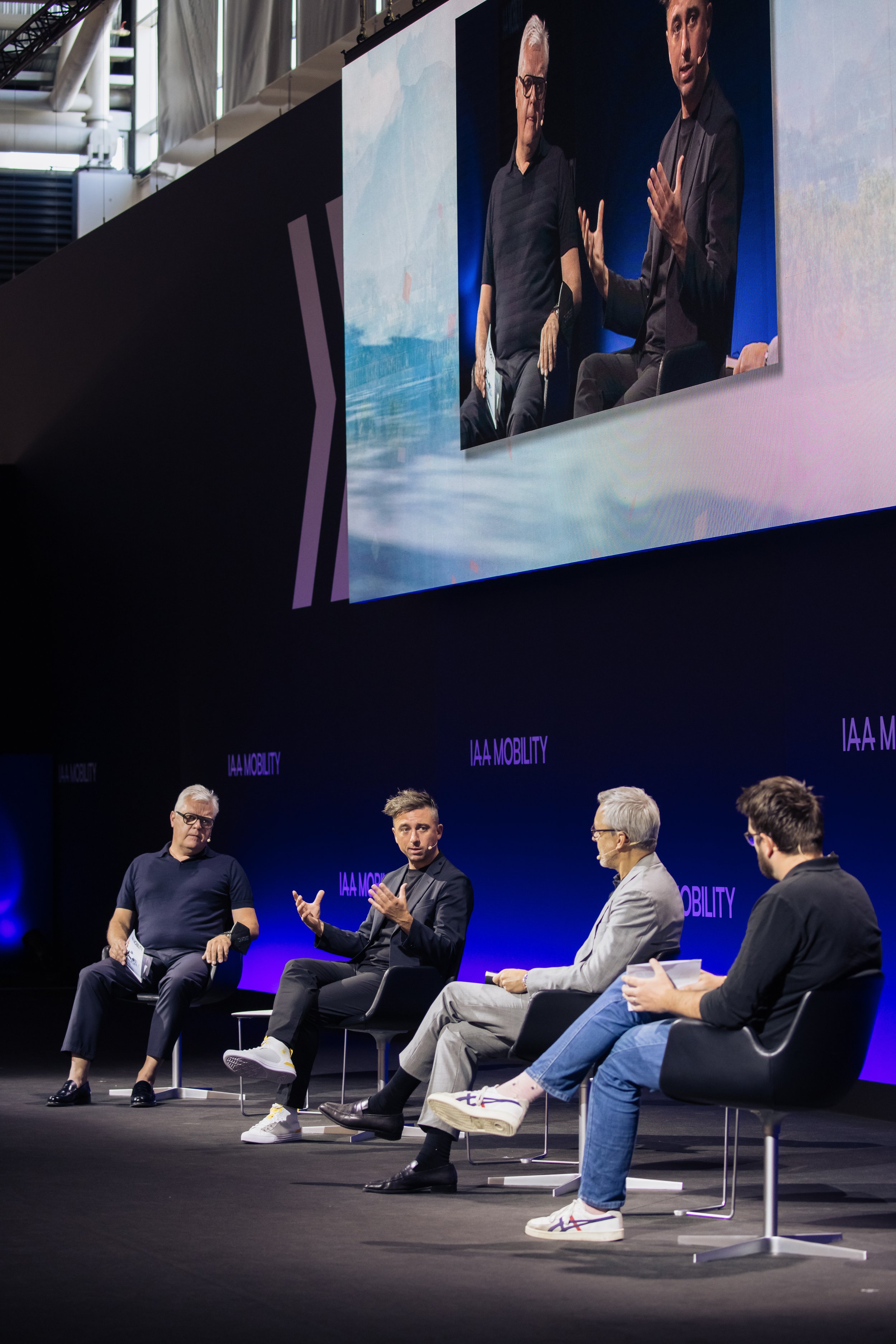
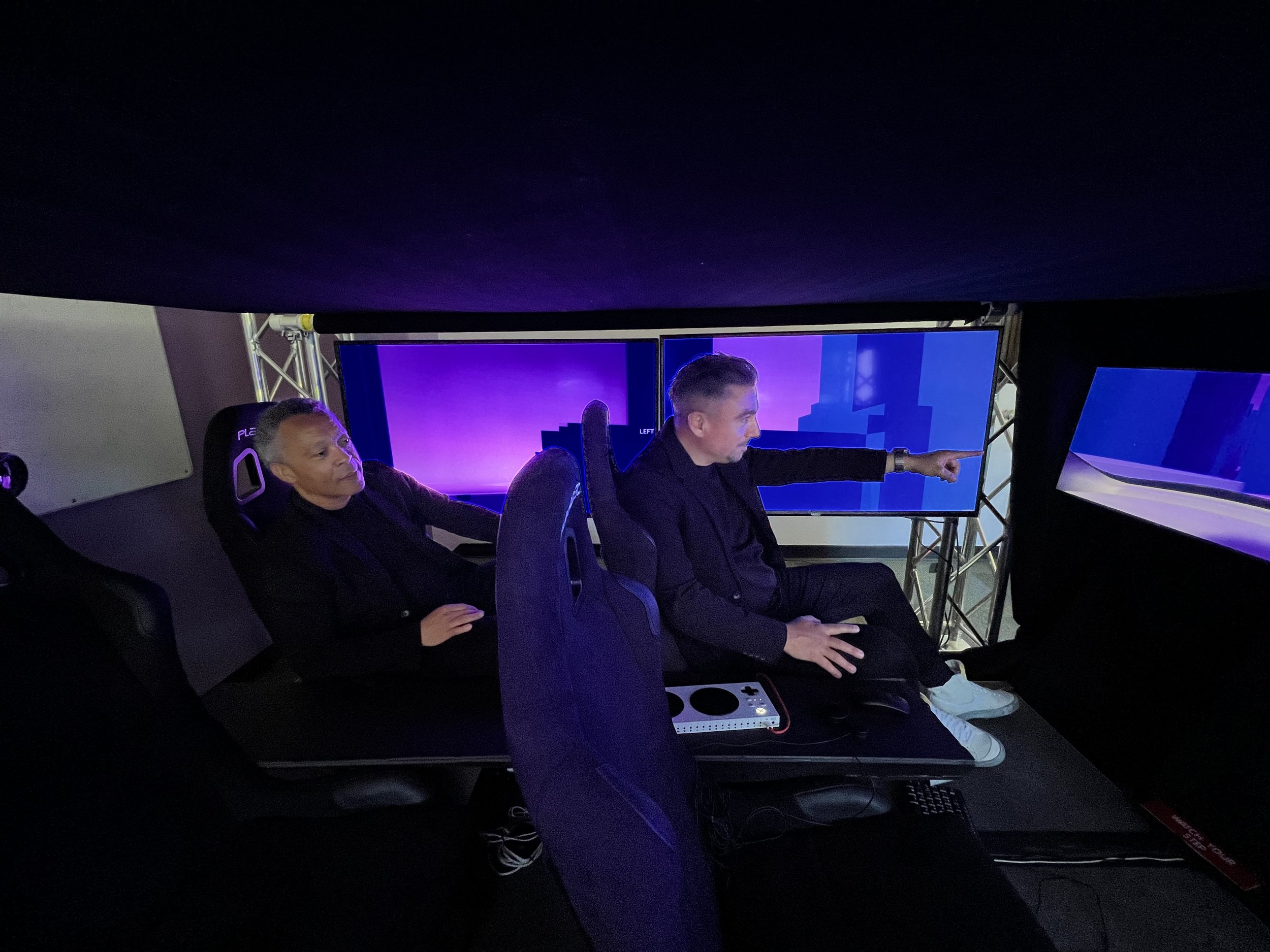
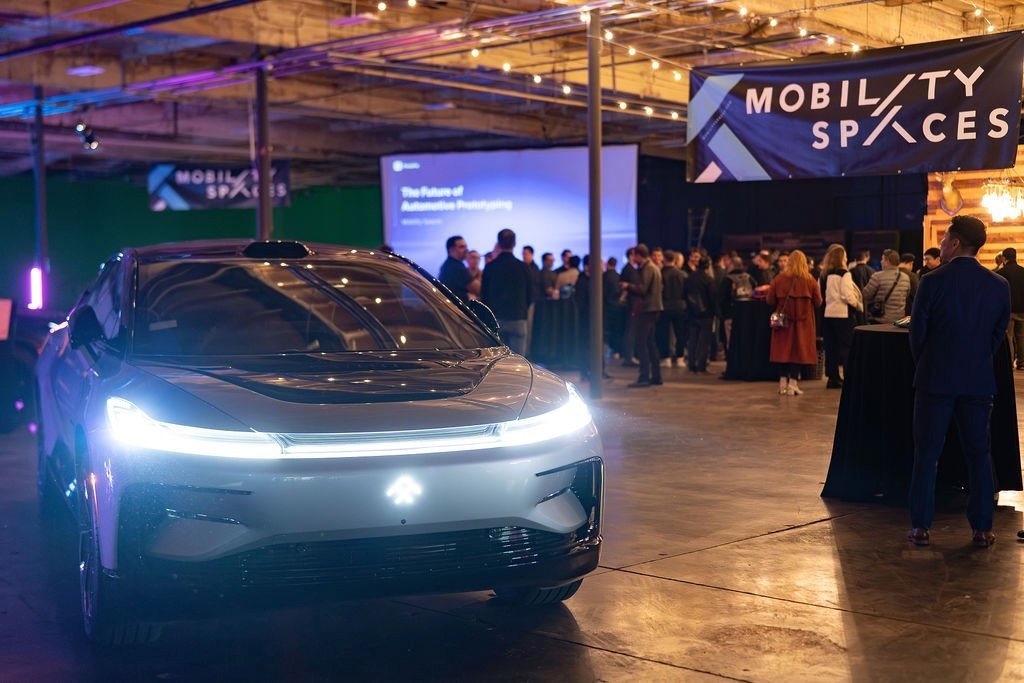
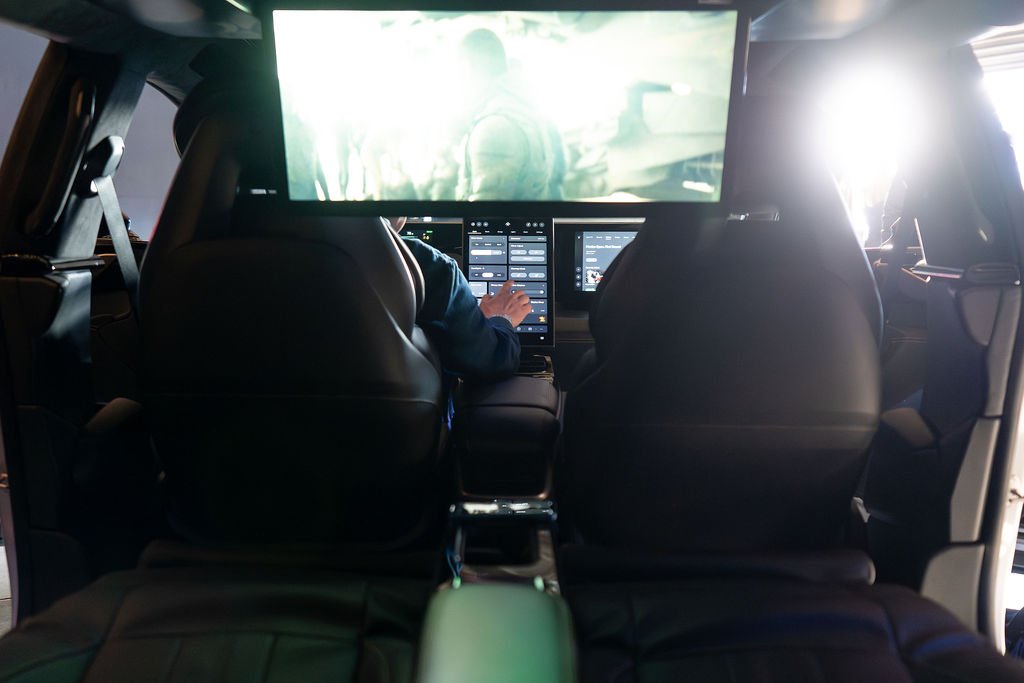



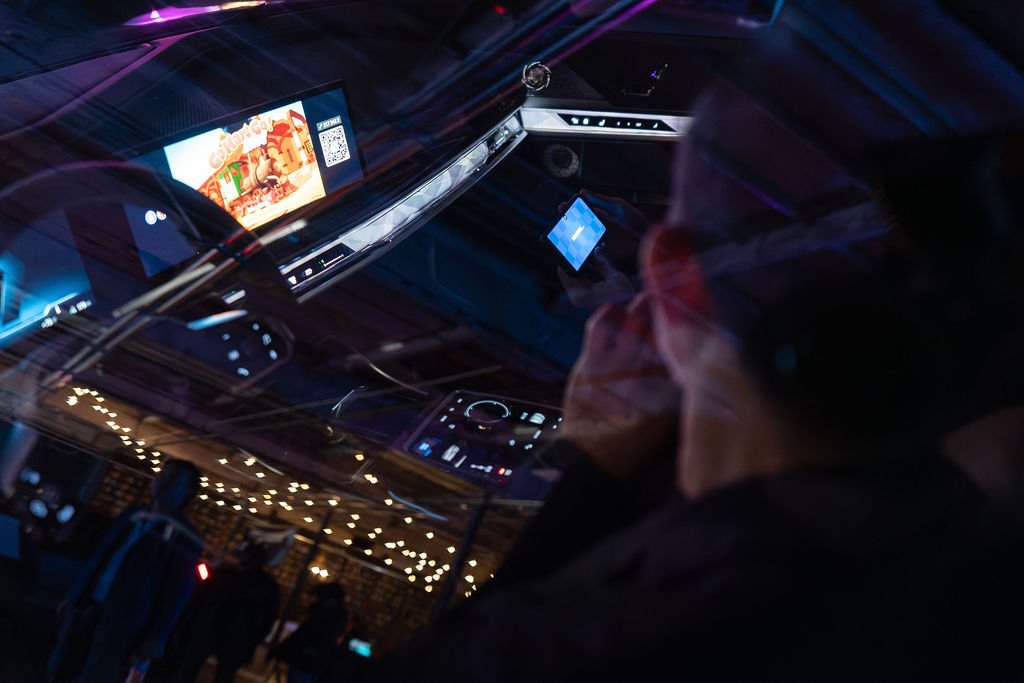



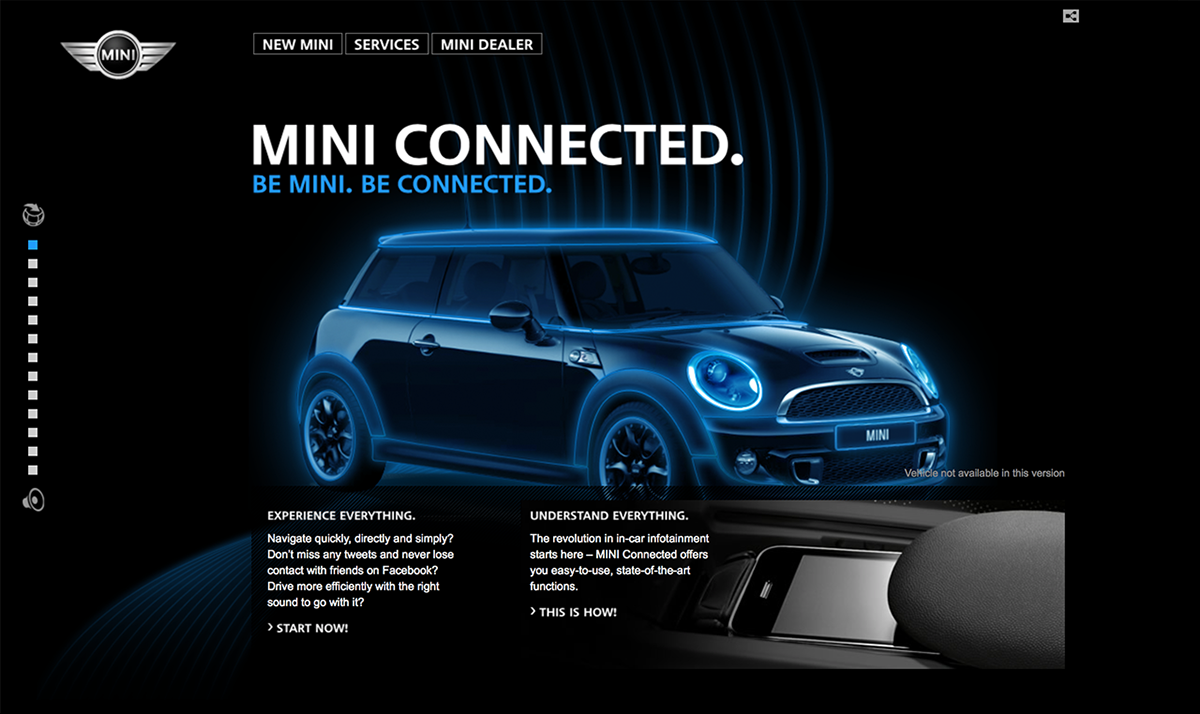
Mobility is where this shift is most visible today. But it's only the beginning.
My work sits between vision and reality: shaping how intelligent systems show up in the world — how they behave, how they interact, and how they earn trust over time. Not as features. As something people choose to live with.
I define the behavior, personality, and human relationships of intelligent systems — as a strategic decision, not an engineering default.
Once systems begin to act on their own, the question changes. It's no longer: how do people use this? It becomes: what kind of presence does this system have in someone's life?
If you're working on something in this space, I'm always interested in the conversation.
currently exploring:
How trust gets designed when systems make decisions autonomously
What brand means when the product behaves, not just performs
Where experience becomes the only durable competitive advantage
How intelligence earns emotional legitimacy — not just functional acceptance
The post-interface era — spatial, ambient, and invisible interaction layers
AI-governed ecosystems — orchestration across products, services, and environments
Human-machine symbiosis — cognitive, emotional, and relational models for intelligent systems
Experience as strategic infrastructure — embedded in the business model, not bolted on